
Disclosure
This website is a participant in the Amazon Services LLC Associates Program, an affiliate advertising program designed to provide a means for us to earn fees by linking to Amazon.com and affiliated sites.
Tracing wires in a bundled Use with an automotive circuit tester means injecting a signal at one end and probing for it along the bundle. A tone generator and probe, or a powered test light with a fused jumper, lets you follow the circuit without unwrapping the loom.
I start by disconnecting the battery and isolating the wire at its source, then send a signal through it and sweep the probe along the Use. The tone gets louder near the right wire, so I mark each spot with tape as I go.
Stop Poking Wires Blind
Chasing a broken wire through a bundled harness is slow, frustrating work. You poke, guess, and skin your knuckles while the fault stays hidden. The ANCEL PB100 sends a signal straight through the circuit and lets you trace it fast, so you stop guessing and start finding the break.
This is the tester I grab when a harness fight starts: ANCEL PB100 Automotive Power Circuit Probe Tester
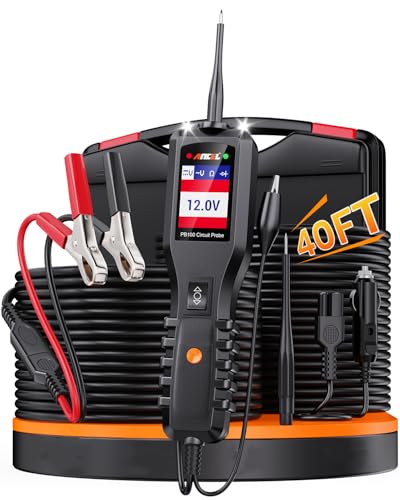
- ALL-IN-ONE POWER CIRCUIT TESTER — EASY & ACCURATE: Fix vehicle...
- ADVANCED FOUR WORKING MODES — SIMPLE & INTUITIVE: Seamlessly switch...
- LOCATE SHORT CIRCUITS & BAD GROUNDS ACCURATELY: Quickly troubleshoot...

Why Tracing Wires in an Automotive Use Matters
Chasing a wiring gremlin can cost you real money and real weekends. I once watched a friend swap an alternator, a battery, and two relays on a no-start car. The real problem was a rubbed wire hidden inside the Use.
One hour with a circuit tester would have found it.
Why a Bad Wire Wastes Your Time and Money
Guessing gets expensive fast. People throw parts at a problem because the Use looks fine from the outside. In my experience, the fault is usually one chafed wire buried in the bundle.
That habit drains your wallet and your patience. Worse, a loose connection can cause problems that come and go, so you never feel sure the repair stuck.
Why Bundled Harnesses Make Faults Hard to Find
A bundled Use hides its wires inside tape, loom, and clips. You cannot see a break or a rubbed spot from the outside. That is why a tester beats your eyes every time.
- Wires share the same color codes, so guessing is risky.
- Loom tape hides chafed spots and pinched sections.
- Connectors sit deep behind the dash or under the seat.
Why Tracing the Right Wire Keeps Your Car Safe
Cutting the wrong wire can kill a circuit you still need. I have seen people splice into an airbag or fuel pump wire by mistake. Tracing first keeps you safe and saves the Use.
How to Trace a Wire in a Bundled Use Step by Step
Honestly, the method that worked for us is simple and slow. You send a signal down one wire and listen for it along the bundle. No cutting, no guessing.
How to Set Up Your Circuit Tester for Wire Tracing
Start by disconnecting the battery so nothing goes live. Clip your tester to a good ground, then hook the signal lead to the wire you want to follow.
If your tester has a tone mode, use it. The tone gets louder as you get closer to the right wire.
- Pull the connector at the source end.
- Attach the signal lead to the suspect pin.
- Set the tester to continuity or tone mode.
How to Follow the Signal Through the Loom
Run the probe slowly along the outside of the Use. Stop wherever the tone jumps or fades. That spot is usually where the wire turns or passes a connector.
Mark each point with tape as you go. When you reach the far end, you will know exactly which wire matches.
How to Confirm the Right Wire Before You Cut
Never trust the color code alone. Wiggle the connector and watch your tester for a steady tone. A flickering signal usually means a loose pin or a bad ground.
You know that sinking feeling when a repair still doesn’t fix the car and the bill keeps climbing? Chasing a wire blind is exactly how that happens. What finally worked for me was a simple tone-and-probe tester, and the one I keep in my own toolbox makes tracing a bundle quick:
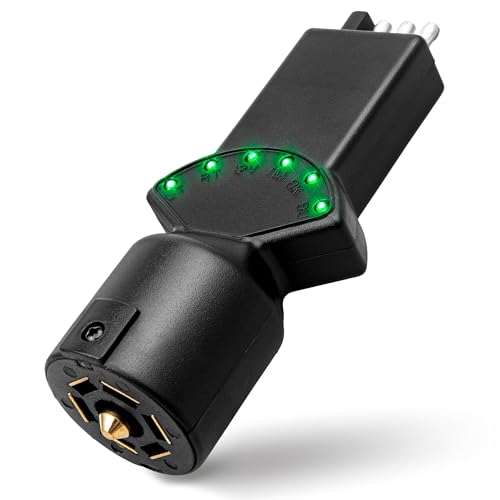
- Note 1: The trailer tester will upside down when testing for...
- 2 in 1 Design: This trailer light tester combines both 4 way circuit...
- 6 Light Functions: Versatile trailer wiring tester can be used to test...
What I Look for When Buying an Automotive Circuit Tester
You do not need a fancy tester to trace a Use. You need one that fits your hands and tells you the truth. Here is what actually matters.
Does It Have a Tone and Probe Mode?
Tone mode is the whole reason you are buying this tool. It sends a signal down a wire so you can hear where it goes. Without it, you are back to guessing inside the loom.
I once traced a door lock wire in five minutes with tone mode. The same job took me an afternoon with a plain test light.
How Does It Feel in Your Hand?
You will hold this tool for hours under a dash. A slim probe and a light body matter more than extra features. Grab one and imagine reaching behind a tight connector.
My first tester was bulky and I kept dropping it. The smaller one I use now slides into places my hand cannot reach.
How Clear Is the Signal?
A loud, steady tone beats a blinking light. You want to hear or see the change the moment you pass the right wire. Test it in a noisy garage if you can.
Does It Protect Your Car’s Electronics?
Modern cars have sensitive computers. Look for a tester with built-in overload protection. A cheap tester that sends too much current can fry a module, and that repair costs far more than the tool.
The Mistake I See People Make With Wire Tracing
The biggest mistake is stabbing the wire with a probe to “test” it. I did this myself years ago, and I regret it. Every tiny hole lets moisture in, and that wire will corrode from the inside out.
You will not see the damage for months. Then one day a circuit quits, and you have no idea why. The wire looked fine the whole time.
Instead, back-probe at the connector. Slide a thin pin alongside the wire from the back of the plug. You get the same reading without piercing the insulation.
Another common slip is trusting color codes alone. Two wires can share the same color in one Use. Always confirm with your tester before you cut anything.
You know that cold dread when you stab a wire, hear the snap, and realize you just made the job harder? It happens to the best of us. What finally worked for me was a proper back-probe kit that never pierces insulation, and the set I wish I had bought years earlier saves you from that mistake:
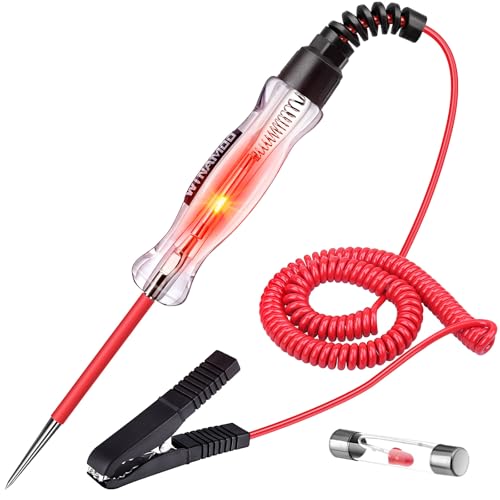
- [Quality LED Bulb] WINAMOO LED test light bulb has been subjected to...
- [Large Alligator Clip with Extended Spring Wire] Large size crocodile...
- [High Quality Made] This electric tester pen utilises a sharp...
Make the Whole Job Easier With One Simple Trick
Here is the tip that changed how I trace wires: use a long jumper wire as your ground return. Clip one end to the battery negative and run it to where you are working. Now your tester only needs one lead at the wire, and your other hand stays free.
This sounds small, but it saves you from crawling out from under the dash every few minutes. I used to fight with short ground leads and bad clips. Now I clip once and work in comfort.
Another aha moment for me was labeling both ends before I start. Wrap a bit of tape on the source wire and write the same number on your notes. When you finally find the matching wire at the far end, you already know it is the right one.
These two habits turn a frustrating hunt into a calm, steady process. You spend your time tracing, not untangling your own leads.
My Top Picks for How to Trace Wires in a Bundled Use With an Automotive Circuit Tester
Oyviny 7 Way Blade & 4 Pin Trailer Light Circuit Tester — Perfect for Trailer and Towing Wiring
The Oyviny 7 Way Blade & 4 Pin Trailer Light Circuit Tester is the one I grab whenever a trailer plug acts up. I love that it tests both the 7-way blade and the 4-pin plug in one small tool. It is perfect for anyone towing a boat or camper who keeps chasing dead lights.
The trade-off is that it only covers trailer-style connectors, so it will not help inside a dash Use.
- Note 1: The trailer tester will upside down when testing for...
- 2 in 1 Design: This trailer light tester combines both 4 way circuit...
- 6 Light Functions: Versatile trailer wiring tester can be used to test...
JASTIND Heavy Duty 6-24V Automotive Circuit Tester — My Everyday Use Tracer
The JASTIND Heavy Duty 6-24V Automotive Circuit Tester is what I reach for on general Use work. I personally love the long lead and sharp probe, which reach deep into tight bundles. It is the perfect fit for a home mechanic chasing a break in a car, truck, or small engine circuit.
The honest trade-off is that it is a basic test light, so it does not send a tone like a full tracer kit.

- 【Extra Spring Light Bulb】 : High visibility and strictly tested...
- 【Quality Made Fuse Tester】 : Heavy Duty Construction, large size...
- 【135 Inch PU Spring Cord】 : Portable 135 inch long enough PU...
Conclusion
The one thing to remember is that you trace a wire by following a signal, not by guessing or stabbing insulation.
Go grab your circuit tester right now and practice on a spare wire in your garage — five minutes tonight will make your next Use job feel easy.
Frequently Asked Questions about How to Trace Wires in a Bundled Use with an Automotive Circuit Tester?
Can you trace a wire through a bundled Use without unwrapping it?
Yes, you can trace a wire through a bundled Use without unwrapping it by using a tone generator and probe. The signal passes along the wire, and the probe picks it up through tape and loom.
I have traced dozens of wires this way and never had to cut the loom open. Work slowly and mark your spots with tape as you go.
Do you need to disconnect the battery before tracing wires?
Yes, you should always disconnect the battery before tracing wires in a Use. This protects your tester, your car’s computers, and your hands from a short.
In my experience, a dead battery is a small price to pay for safety. Reconnect it only when you are ready to test a live circuit.
What is the best automotive circuit tester for someone who needs to trace wires in a tight dashboard Use?
A tone-and-probe tester with a long, thin lead is the best choice for a tight dashboard Use. The slim probe reaches behind connectors where a bulky test light cannot fit.
You want something that fits your hand and gives a clear, steady signal. I keep the one I reach for first in my own toolbox for exactly this job.
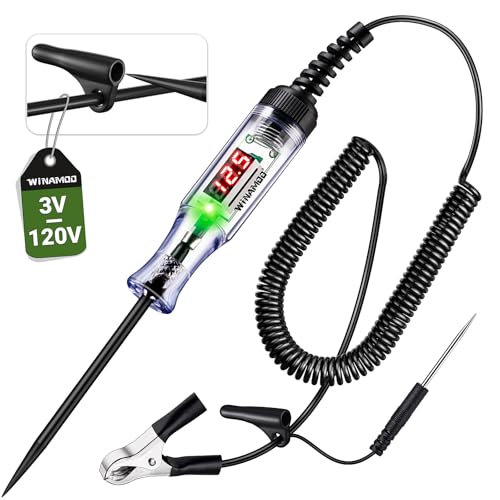
- 【QUICK DETECTION & EXTENSIVE USE】WINAMOO auto circuit tester helps...
- 【EXTRA PROBE & LARGE ALLIGATOR CLIP】This test light automotive...
- 【PRECISE READOUTS & CLEAR DIGITAL DISPLAY】Bright LED display shows...
How do you find a broken wire inside a Use?
You find a broken wire by sending a signal from one end and probing along the bundle until the tone stops. The point where the signal dies is where the break sits.
Most breaks hide near a bend, a clip, or a connector. Wiggle the Use gently while you probe, and a loose wire will often flicker on and off.
Which automotive circuit tester won’t let me down when I’m chasing an intermittent short?
A heavy-duty test light with a long lead and sharp probe is the most reliable tool for an intermittent short. It gives an instant, visible signal without needing a separate receiver.
Intermittent faults are the worst, because the problem hides the moment you look for it. I trust what finally worked for me when a circuit keeps cutting in and out.
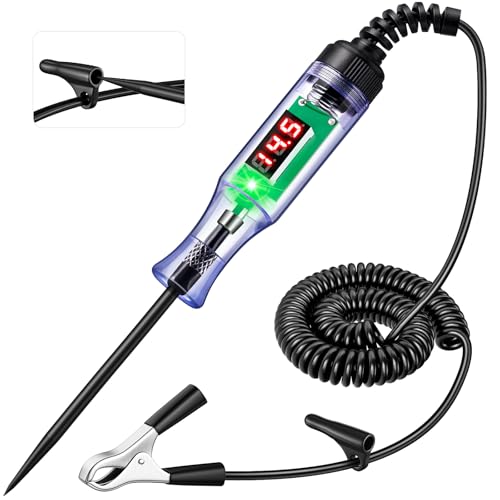
- ACCURATE LED DIGITAL READOUTS: This automotive test light allows you...
- BUILT TO LAST: Sharp, rugged stainless steel probe easily penetrates...
- EXTRA LONG REACH FOR EASY OPERATION: 96 inches of high-quality...
Can you use a multimeter instead of a circuit tester to trace wires?
Yes, a multimeter can trace wires, but it is slower than a dedicated tester. You have to hold two leads in place and watch the screen instead of listening for a tone.
For a quick continuity check, a multimeter works fine. For long runs through a bundle, a tone tester saves you a lot of time and patience.