
Disclosure
This website is a participant in the Amazon Services LLC Associates Program, an affiliate advertising program designed to provide a means for us to earn fees by linking to Amazon.com and affiliated sites.
Wrapping a tennis ball around the probe head creates a soft, round bumper that keeps the camera centered and stops the lens from scraping duct walls. The ball’s curved surface glides along the metal, so the probe slides forward without snagging on seams or rivets.
I cut a small X in the ball, push the probe through, and tape it just behind the camera. The ball acts like a guide wheel, and I can feel it roll along the duct instead of grinding. It is cheap, and it works.
Stop Guessing Where the Probe Points
Keeping a probe centered with a tennis ball works, but you still can’t see which way the lens faces inside a dark duct. One wrong turn and you’re scraping the wall again, or staring at a blurry gray screen. A dual-lens camera shows both straight-ahead and side views at once, so you can steer the probe cleanly down the middle.
This is the camera I switched to for duct runs: Acoath Dual-Lens 1920P HD Endoscope Camera with Light
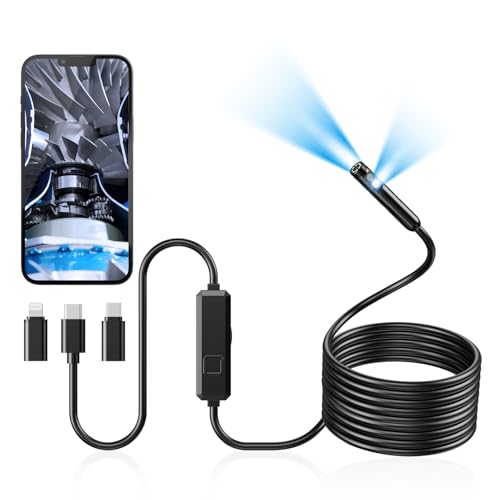
- 1920P Dual Lens Inspection Camera - Aocath dual lens 7.9mm sewer...
- Easy Connection & Silent Work - Pairing our borescope camera with your...
- IP67 Waterproof Borescope & Flexible Semi-Rigid Cable - Our snake...
Why Keeping a Borescope Probe Off Duct Walls Matters
A scratched lens or a snagged probe can cost you a whole inspection job, and I learned that the hard way. A few years back, I pushed a camera down a narrow metal duct and heard a nasty scrape. When I pulled it out, the lens was covered in fine scratches and the footage was useless.
That one careless run cost me a full afternoon and a repair bill I did not plan for. In my experience, duct walls are rougher than they look. Sharp seams, leftover screws, and jagged edges are all waiting to catch your probe.
What Happens When a Probe Drags Along Duct Walls
The damage adds up fast. A dragging probe does more than scratch glass.
- Scratched lenses blur the video and hide real problems.
- Snagged cables can tear or pull loose from the camera head.
- Metal edges grind down the probe’s outer jacket over time.
I have also seen a probe get stuck at a tight bend. Freeing it took careful wiggling and a lot of patience.
Why a Centered Probe Gives You Better Footage
When the camera stays off the walls, the picture stays sharp. A centered probe sees the whole duct, not just one smeared side.
That means you spot cracks, blockages, and buildup the first time. No second trip, no wasted hours.
How to Attach a Tennis Ball to Your Borescope Probe
Honestly, this is the setup that worked for us after a few clumsy tries. You do not need special tools, and the whole thing takes about five minutes.
Choosing the Right Tennis Ball for Duct Inspections
Any standard tennis ball will do, but I prefer a used one. A worn ball is softer and slides more gently along metal seams.
Skip hard or cracked balls. They can scuff the duct coating and leave bits of fuzz behind.
Step-by-Step: Making a Probe Guide from a Tennis Ball
Start with a clean ball and a sharp knife. Keep your cuts small so the ball grips the probe tightly.
- Cut a small X in the ball, right through the center.
- Push the probe tip through the X until the ball sits just behind the camera.
- Wrap tape around the probe behind the ball to stop it sliding back.
- Spin the ball by hand to check it rolls straight.
I test mine on a short run before every job. If the ball wobbles, I add another wrap of tape.
Tips for Keeping the Probe Centered in Round and Rectangular Ducts
For round ducts, one ball near the camera head usually keeps things centered. For rectangular ducts, I sometimes add a second ball further back.
Go slow at bends. Let the ball roll around the corner instead of forcing it.
You know that sinking feeling when a snag ruins a whole inspection and you are back at square one? Before your next run, grab the borescope I sent my brother to buy and stop guessing:

- 5" HD SCREEN & DUAL-LENS FLEXIBILITY – This endoscope camera with...
- 1080P CLARITY & PRECISION FOCUS – As a high-performance boroscope...
- FLEXIBLE PROBE & WATERPROOF ILLUMINATION – The 16.4ft semi-rigid...

What I Look for When Buying a Borescope Probe for Duct Work
After years of trial and error, I keep my checklist short. These are the things that actually change how a job goes.
Probe Flexibility and Length
You want a probe that bends easily but still pushes forward. A stiff cable fights you at every corner, and a floppy one curls up instead of moving ahead.
Length matters too. I once bought a short probe for a long run and had to borrow a friend’s unit to finish the job.
Camera Head Size and Lens Protection
A smaller camera head slips through tight spots that a bulky one cannot reach. Check that the lens sits slightly recessed, so it takes a hit before the glass does.
That little lip of metal has saved my lens more than once.
Image Quality in Low Light
Ducts are dark, so brightness beats megapixels every time. Look for adjustable LED lights right at the camera tip.
I tested a cheap unit once and the video looked like fog. Good lighting made all the difference.
Build Quality and Cable Jacket
Run your fingers along the cable before you buy. A tough, smooth jacket slides past seams, while a rough one snags.
In my experience, a solid jacket lasts years longer than a bargain cable.
The Mistake I See People Make With Tennis Ball Probe Guides
The biggest mistake is cutting the hole too big. I did this on my first try, and the ball slid right off the probe and dropped into the duct. I spent twenty minutes fishing it out with a bent wire.
A snug fit is everything. Cut a small X, then widen it bit by bit until the probe barely fits through. If the ball spins freely on the cable, it is too loose.
Another common slip is placing the ball too far from the camera head. That leaves the lens free to scrape the wall while the ball rolls behind it. Keep the ball close to the tip, and tape it so it stays put.
Finally, do not skip the test run. Roll the probe through a short section first. A wobbly ball will tell you right away that something needs adjusting.
You know that awful moment when the probe snags, the footage is ruined, and you have to start the whole job over? Stop crossing your fingers and grab the borescope that finally worked for me before your next inspection:

- [1920P HD View for Tight Spaces] 1920P endoscope with a 7.9mm...
- [Easy Plug-and-Play for iOS & Android Phones] Just download the app...
- [16.4ft Semi-Rigid Snake Cable & IP67 Waterproof Probe] The 16.4ft...
One Small Trick That Keeps Your Probe Steady in Tight Bends
Here is the tip that changed how I run every job: use two tennis balls, not one. Place the first ball just behind the camera head and the second one a short way back along the cable.
Two balls act like a pair of wheels. The probe stays centered through the whole bend instead of flopping against one wall. I tried this on a tight elbow joint last month, and the camera slid around the corner without a single scrape.
Spacing matters more than you would think. Put the second ball too close and the probe gets stiff. Put it too far back and the middle still sags into the wall.
I usually aim for a gap about the length of my hand.
You can also swap in a slightly smaller ball for the rear guide. That way the front ball does the steering and the back one just keeps things lined up. It sounds fussy, but it takes seconds once you get the hang of it.
My Top Picks for How to Keep a Borescope Probe Off Duct Walls Using a Tennis Ball
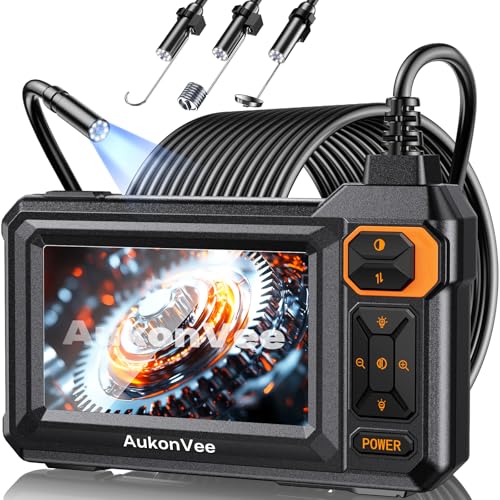
AukonVee 1920P HD Endoscope Camera with 4.3 Inch IPS Screen — The One I Hand to Friends First
The AukonVee 1920P HD Endoscope Camera is the unit I recommend to anyone starting out. I love that the 4.3 inch screen is built right in, so I never fumble with a phone in a cramped space. It fits a weekend DIYer perfectly, though the thicker cable needs a little more room at tight bends.
Teslong Two-Way Articulating Borescope Inspection Camera — What I Reach For on Tricky Jobs
The Teslong Two-Way Articulating Borescope Inspection Camera is what I grab when a duct fights back. The articulating tip lets me steer around corners without wrestling the whole cable, and my tennis ball guide still fits behind the head. It costs more, so it suits serious users rather than casual ones.

- Easily Maneuver Your View: Tired of struggling with hard-to-reach...
- See Every Detail in Vivid Clarity: Experience the exceptional image...
- Master the Most Challenging Inspections: Equipped with a 5FT...
Conclusion
The single most important thing I can tell you is this: a snug tennis ball taped just behind the camera head keeps your probe off the walls and your footage clean.
So go grab a used tennis ball from the garage right now, cut a small X, and test it on a short duct run before your next job. Five minutes today could save you a scratched lens and a wasted afternoon.
Frequently Asked Questions about How to Keep a Borescope Probe Off Duct Walls Using a Tennis Ball?
What size tennis ball works best for a borescope probe guide?
A standard tennis ball, about 2.6 to 2.7 inches across, fits most residential and light commercial ducts. That size keeps the camera centered while still slipping through normal runs.
For very narrow ducts, I use a slightly smaller practice ball. Just check that it still rolls smoothly before you push it in.
Will a tennis ball fit through tight duct bends?
Yes, most tennis balls pass through standard bends, but you need to go slow. The ball rolls around the corner instead of scraping, which is the whole point.
If a bend is really sharp, I switch to a smaller ball or add a second guide further back. Forcing it just jams the probe.
What is the best borescope for someone who keeps snagging the probe on duct walls?
The best fix is a flexible probe with a smooth jacket and a recessed lens, and the AukonVee 1920P HD Endoscope Camera fits that job well. Its built-in screen means less fumbling, and the cable slides past seams instead of catching.
I recommend it to folks who want one reliable unit without a steep learning curve. It is what finally worked for me after a few frustrating cheap probes.
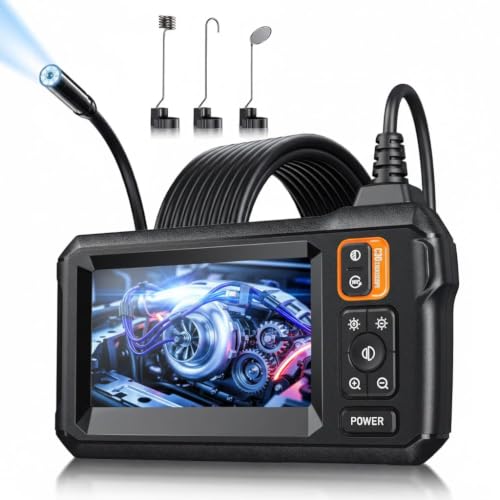
- High Quality Display: The endoscope camera with light adopts a...
- Powerful Features Camera : Borescope delicate camera probe is equipped...
- Freely Bend 20FT Cable: The 1.29in short lens for narrow pipe...
Which borescope won’t let me down when I need to steer around a tricky duct corner?
The Teslong Two-Way Articulating Borescope Inspection Camera is the one I trust for hard corners. The articulating tip lets you aim the camera without wrestling the whole cable, and my tennis ball guide still fits behind the head.
It costs more, but for repeated duct work it pays off. This is the one I sent my brother to buy when his old probe kept snagging.
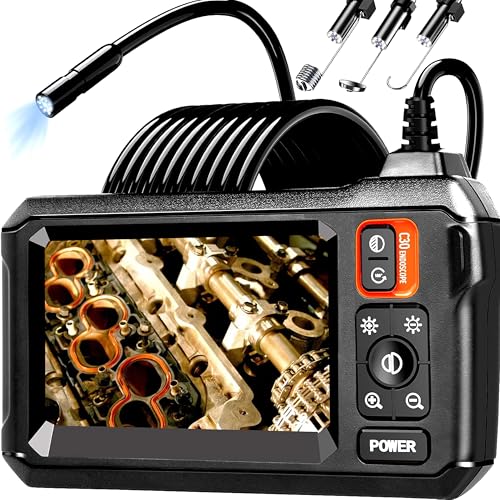
- 4.3-inch color LCD screen that allows you to view high-definition...
- 【HIGH-QUALITY SNAKE CAMERA】8 adjustable LED lights to ensure a...
- 【IP67 WATERPROOF】The borescope is rated IP67 waterproof for use in...
Can I use something other than a tennis ball as a probe guide?
Yes, a foam practice ball or a small rubber grommet can work, but a tennis ball is the easiest option. It is soft, round, and cheap, and almost everyone has one lying around.
I have tried foam, and it wears out fast. The tennis ball lasts longer and glides better on metal.
How do I stop the tennis ball from sliding off the probe?
Cut a small X and tape the ball snugly behind the camera head. The tape is the key part, since a loose ball will slide back or drop off.
I wrap tape right behind the ball every time. It takes seconds and saves a lot of fishing around in the duct.