
Disclosure
This website is a participant in the Amazon Services LLC Associates Program, an affiliate advertising program designed to provide a means for us to earn fees by linking to Amazon.com and affiliated sites.
Testing a normal or GFCI outlet for voltage requires setting a digital multimeter to AC volts, inserting the black probe into the ground slot and the red probe into the hot slot, then reading the display. A healthy outlet should show a reading close to the standard household voltage in your region.
I always test the meter on a known live outlet first so I know it is working. For a GFCI, I press the test button after checking voltage and confirm the power cuts off as it should.
Stop Guessing at Bad Outlets
You plug in a tester, the lights blink, and you still can’t tell if the outlet is dead, miswired, or just fine. A basic meter leaves you guessing at readings that jump around. The AstroAI DM200M gives you steady, true RMS numbers so you can see exactly what each outlet is doing.
This is the meter I grab for outlet checks, because its stable readings end the guesswork: AstroAI DM200M TRMS 2000 Counts Digital Multimeter

- ACCURATE MEASUREMENTS - The AstroAI DM200M multimeter is designed to...
- EASY TO USE - The DM200M Multimeter features data hold, max value...
- ENHANCED SAFETY - There are two ceramic fuses that protect the...
Why Testing Outlets for Voltage and GFCI Protection Actually Matters
A bad outlet is not just an inconvenience. It is a real safety risk hiding in plain sight, and most of us never think about it until something goes wrong.
I learned this the hard way a few winters ago. My daughter plugged a space heater into an outlet near the garage, and the plug felt warm but the heater barely ran. I assumed the heater was broken and almost bought a new one.
What a Low Voltage Reading Really Tells You
That outlet was reading around 90 volts instead of the full amount. A loose connection was choking the power, and that same loose wire is exactly what starts house fires. Testing takes two minutes and can save you thousands.
Why GFCI Protection Is Not Optional
GFCI outlets cut power when they sense a ground fault, which is what protects you from a serious shock near water. In my experience, plenty of them quietly fail and keep working like normal outlets.
- A GFCI that will not trip is no longer protecting anyone.
- Kitchen, bathroom, and outdoor outlets should always be GFCI protected.
- Testing monthly takes seconds and catches failures early.
The Cost of Guessing
We waste money replacing appliances when the outlet is the real problem. Worse, we trust outlets that look fine but are not safe. A quick voltage check tells you the truth before a small issue becomes an expensive one.
How to Test a Standard Outlet for Voltage Step by Step
Honestly, this is the part that surprised me most. Testing a normal outlet takes less time than making coffee, and you do not need to be handy to do it.
I keep a cheap digital multimeter in the kitchen drawer. It has paid for itself many times over just by telling me which outlets were fine and which ones needed a closer look.
Setting Up Your Multimeter Correctly
Turn the dial to AC volts, usually marked with a V and a wavy line. If your meter has ranges, pick the one above your household voltage so it does not max out.
Plug the black lead into the COM jack and the red lead into the jack marked for voltage. Give the probes a quick wiggle to make sure they are seated firmly.
Reading the Slots on a Standard Outlet
The shorter slot is hot, the longer slot is neutral, and the round hole is ground. Touch one probe to each slot and watch the display settle.
- Black probe in the ground hole, red in the short hot slot: this is your main voltage reading.
- Red in hot, black in the long neutral slot: should read close to the same number.
- Any reading far below normal means a loose connection or a wiring problem worth checking.
Testing a GFCI Outlet Safely
Start by checking voltage the same way you would on a normal outlet. Then press the TEST button and confirm the outlet goes dead, which proves the protection is working.
Press RESET to bring the power back. If it will not trip or will not reset, that outlet needs replacing before you trust it again.
You lie awake wondering if that warm plug or flickering lamp is really safe, and guessing costs you sleep and money. Stop guessing and grab the tester I sent my sister to buy so you can check any outlet in seconds:

- Wide Application - The AstroAI M4K0R Multimeter accurately measures...
- Non-Contact - Fully safe non-contact voltage testing with sound and...
- Thoughtful Design - Support Data Hold, Max, Auto Shut-off, low battery...

What I Look for When Buying a Digital Multimeter for Outlet Testing
You do not need a fancy meter to check outlets. You need one that is safe, easy to read, and simple enough that you will actually use it.
Safety Rating You Can Trust
Look for a meter with a proper safety rating printed right on the front. That rating tells you it was built to handle a sudden surge without failing in your hand.
I once borrowed a no-name meter from a friend and the probes felt flimsy. That was enough for me to put it back in the drawer.
A Display You Can Read at a Glance
You want clear numbers and a screen that does not wash out in bright light. A backlit display helps a lot when you are crouched behind a couch testing an outlet.
My first meter had tiny digits, and I squinted every single time. The upgrade was worth it just for that.
Auto-Ranging Makes Life Easier
Auto-ranging meters pick the right setting for you, so there is less to get wrong. For outlet testing, that means fewer dial turns and faster answers.
Probes and Leads That Hold Up
Check that the probes feel solid and the leads are a comfortable length. Thin, stiff leads slip out of slots and make readings jump around.
I like leads long enough to reach the floor outlet without stretching. Small thing, big difference.
The Mistake I See People Make With Outlet Voltage Testing
The biggest mistake is trusting the test button on a GFCI and skipping the voltage check entirely. That button only proves the trip mechanism works, not that the outlet is wired correctly.
I made this exact mistake for years. I would press TEST, hear the click, and feel safe, never realizing the outlet could still have a wiring problem hiding behind that click.
What you should do instead is simple. Check the voltage first with your meter, then press TEST and confirm the power actually dies. If the reading is low or the outlet will not trip, stop using it and get it looked at.
You worry that a warm plug or a dead outlet is quietly putting your family at risk, and guessing only makes that fear louder. Get the peace of mind you deserve with the tester I keep in my own kitchen drawer:
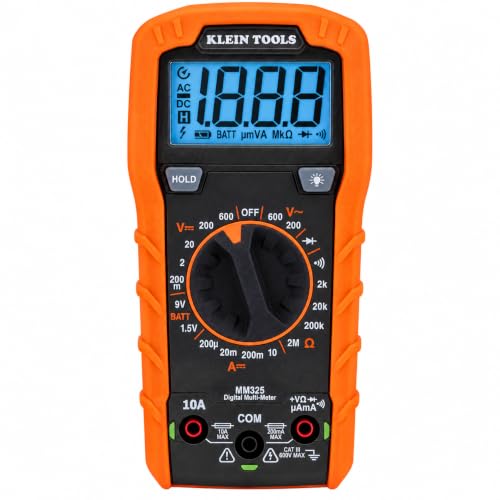
- VERSATILE FUNCTIONALITY: Measures AC/DC voltage up to 600V, 10A DC...
- LEAD-ALERT PROTECTION: LEDs on the meter illuminate to indicate proper...
- BACKLIT DISPLAY: LCD shows clear readings in low-light conditions for...
Test the Outlet Under Load and You Will Catch Problems a Basic Check Misses
Here is the tip that changed how I test outlets: check the voltage while something is actually running. A reading with nothing plugged in can look perfectly fine while the outlet fails the moment it has to work.
Plug in a lamp or a small appliance, then take your reading again. If the voltage drops noticeably under that load, you have found a loose connection or a weak circuit that a plain test would never show.
I caught this in my own garage last spring. The outlet read normal until I plugged in a shop vac, and the number fell fast, which told me the wiring was struggling. An electrician confirmed a loose connection and tightened it up.
This one habit takes an extra minute and tells you far more than a single reading ever could. Try it on the outlets you use most and see what you find.
My Top Picks for How to Test Normal and GFCI Outlets for Voltage With a Digital Multimeter
AstroAI Digital Multimeter Tester 2000 Counts Blue — Simple and Reliable for Everyday Outlet Checks
I recommend the AstroAI Digital Multimeter Tester 2000 Counts Blue for anyone who wants a no-fuss meter. What I love is how easy the dial is to read, so switching to AC volts takes seconds. It fits a first-time tester perfectly.
The trade-off is that it is basic, so skip it if you want advanced features.
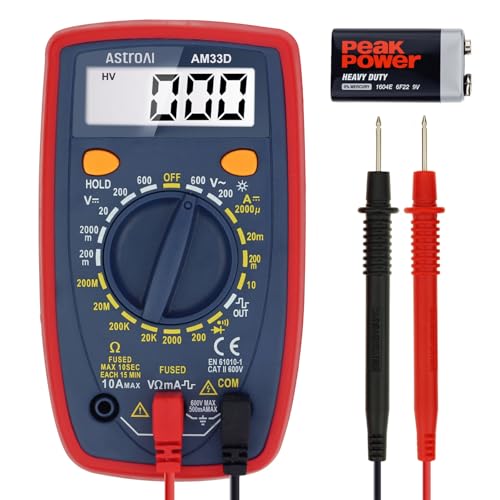
- Additional Tips - The following incorrect operations may cause the...
- Versatile Digital Multimeter - Accurately measures AC/DC Voltage, DC...
- Troubleshooting with Accuracy - This Multimeter has a sampling speed...
TESMEN TM-510 Digital Multimeter 4000 Counts Smart — Smart Auto-Ranging That Saves You Setup Time
The TESMEN TM-510 Digital Multimeter 4000 Counts Smart is what I reach for when I want speed. I love that it auto-ranges, so I do not have to fiddle with settings before checking an outlet. It suits people testing outlets often.
The trade-off is a higher price than basic models.

- Smart Digital Multimeter: Thanks to its Smart Auto Mode, TESMEN TM...
- Non-contact: Completely safe Non-Contact Voltage test with a visual...
- Safety Guarantee: CAT II 600V, CE, and RoHS certified. Overload...
Conclusion
The one thing I hope you take away is that a quick voltage check with a digital multimeter tells you more than any guess ever will.
So go grab your meter, pick the outlet you use most, and test it right now — it takes two minutes and it might be the reason your house finally feels safe again.
Frequently Asked Questions about How to Test Normal and GFCI Outlets for Voltage with a Digital Multimeter?
What voltage should a normal outlet read on a digital multimeter?
A healthy outlet in North America should read close to 120 volts AC, and most homes land somewhere between 110 and 125 volts. That range is normal and nothing to worry about.
If you see a number well below that, like 90 volts, something is wrong. A loose connection or a failing circuit is usually the cause, so stop using that outlet until it is checked.
How do I know if my GFCI outlet is actually working?
Press the TEST button and confirm the outlet goes dead, then press RESET to bring it back. If the power does not cut off, the GFCI is not protecting you.
I also check voltage first with my meter before pressing TEST. That way I know the outlet is wired correctly and the trip mechanism is doing its job.
What is the best digital multimeter for testing outlets if I am a total beginner?
The AstroAI Digital Multimeter Tester 2000 Counts Blue is a great starting point because it is simple and the dial is easy to read. Beginners do not need a lot of features to check an outlet safely.
It handles AC volts without any confusion, which is exactly what outlet testing needs. I point friends toward the one I recommend to first-time testers when they just want a clear answer.
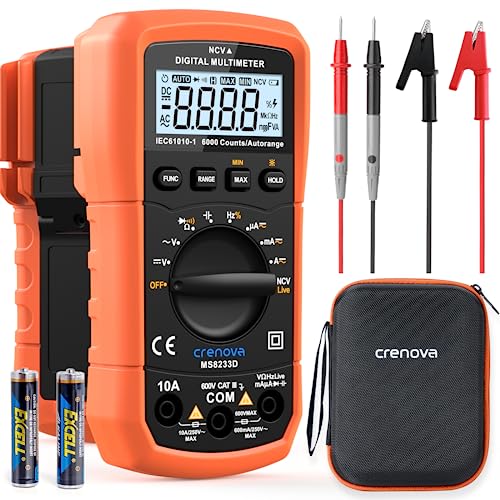
- 【More Versatile than Expected】MS8233D multimeter can accurately...
- 【User and Device Protection】The digital multimeter conforms to...
- 【6000-Count LCD Screen】Equipped with a 6000-count (3 5/6 digits...
Can I test an outlet without turning off the power?
Yes, you test an outlet while the power is on, since the meter needs live voltage to give a reading. Just keep your fingers behind the probe guards and never touch the metal tips.
If you plan to replace the outlet or tighten wires, turn the breaker off first. Testing is safe with power on, but repair work is not.
Which outlet tester will not let me down when I check outlets often?
The TESMEN TM-510 Digital Multimeter 4000 Counts Smart is a solid choice if you test outlets regularly, because auto-ranging saves you setup time on every check. It picks the right setting so there is less to get wrong.
I reach for it when I am moving quickly around the house. It is what finally worked for my busy weekend checks, and it has held up well.
- Smart Digital Multimeter: Thanks to its Smart Auto Mode, TESMEN TM...
- Non-contact: Completely safe Non-Contact Voltage test with a visual...
- Safety Guarantee: CAT II 600V, CE, and RoHS certified. Overload...
Why does my outlet read low voltage only when something is plugged in?
A voltage drop under load points to a loose connection or weak wiring somewhere on that circuit. The outlet looks fine with nothing plugged in because there is no demand on it.
Plug in a lamp and watch the reading fall, and you have found your problem. Call an electrician before that outlet causes trouble.