
Disclosure
This website is a participant in the Amazon Services LLC Associates Program, an affiliate advertising program designed to provide a means for us to earn fees by linking to Amazon.com and affiliated sites.
The borescope camera tip overheats on hot engines because the LED lights and image sensor sit in a small, sealed metal housing with no airflow to carry heat away. Ambient heat from the engine adds to the heat the electronics already generate, and the tip keeps climbing until it shuts down.
I learned this the hard way while checking valves on a warm block. Let the engine cool first, keep the light on its lowest setting, and work in short passes so the tip can shed heat between looks.
Stop Cooking Your Probe Tip
Heat builds fast inside a hot engine, and a thick fixed probe traps it right against the tip. You end up with blurry images, dark spots, or a dead camera after one job. The Teslong Two-Way Articulating Borescope 5.5mm Slim Probe has a slim 5.5mm head and an articulating tip that lets you steer away from hot surfaces instead of pressing into them.
This is the one I keep in my hot-engine kit because the slim articulating tip lets me steer clear of hot metal: Teslong Two-Way Articulating Borescope 5.5mm Slim Probe

- Diagnose Engine & Transmission Issues Without Tearing Down: The 5.5mm...
- 5" IPS Screen with Magnification: The 1280x720 display shows crisp...
- Precision Joystick Control + 6 LEDs: The thumb-operated joystick gives...

Why a Hot Borescope Tip Costs You More Than a Few Minutes
A camera tip that overheats does not just slow you down. It can end a job you paid good money for. In my experience, the real cost shows up long after the engine cools.
I once watched a friend drop a hot probe into a cylinder to check a scored wall. The screen went black within seconds. He pulled the scope out, and the melted lens left a smear of plastic on the piston crown.
You Lose the Inspection You Actually Needed
When the tip shuts off mid-pass, you never see the far wall or the back of the valve. You are left guessing about the exact spot you bought the scope to check. That guess can mean a second teardown or a missed crack.
Here is what a heat shutdown usually costs you:
- Time lost waiting for the tip to cool before you can look again
- Money spent on a scope that fails on warm engines
- Trust in your own diagnosis, because you never got a clean look
Damaged Tips Mean Wasted Money
A cooked sensor or a warped lens is not a cheap fix. Some tips are sealed units, so a single overheat can retire the whole probe. That stings when you only needed one inspection.
The worst part is the doubt. A blurry or dead image makes you second-guess a call you were sure about five minutes earlier. I have seen techs pull a head twice because a hot tip lied to them.
How to Keep Your Borescope Camera Tip Cool on Hot Engines
Honestly, most of this comes down to patience and a few small habits. I did not learn it from a manual. I learned it after frying one tip and babying the next one.
Let the Engine Cool Before You Look
This is the biggest one, and the hardest to follow when you are in a hurry. A warm block still pushes heat into that tiny metal tip. Give it time, and your scope lives longer.
In my experience, even ten minutes of cooling makes a real difference. I use that time to set up my light and plan my passes.
Work in Short Passes With Low Light
Bright LEDs make heat, and long looks make more of it. I keep the light low and pull the probe out every minute or so. That little break lets the tip shed heat before it climbs too far.
Here is what worked for us:
- Start on the lowest brightness and only bump it up if you must
- Pull the probe out between passes to let it breathe
- Keep the tip moving instead of parking it against a hot wall
Pick a Scope Built for Heat
Some probes handle warmth better than others, and it shows. Look for a metal tip and a brand that lists a working temperature. That spec tells you more than any marketing photo.
You know that sinking feeling when the screen goes black mid-inspection and you are not sure if you cooked the tip for good? That fear of a dead probe and a wasted teardown is exactly why I stopped gambling on cheap tips — what finally worked for me was a scope rated for warmer engines:
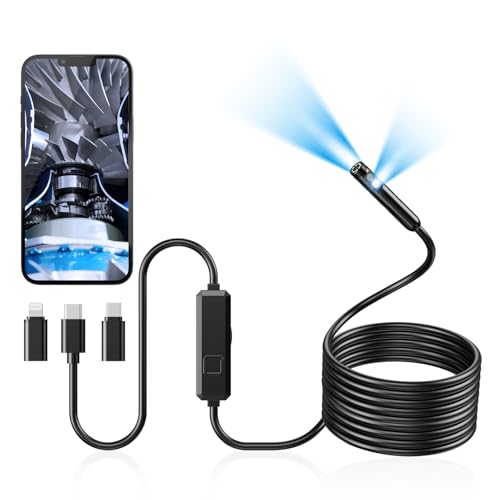
- 1920P Dual Lens Inspection Camera - Aocath dual lens 7.9mm sewer...
- Easy Connection & Silent Work - Pairing our borescope camera with your...
- IP67 Waterproof Borescope & Flexible Semi-Rigid Cable - Our snake...
What I Look for When Buying a Borescope Camera for Hot Engines
After burning through a couple of cheap probes, I got picky. Here are the things that actually matter when you buy one.
Check the Heat Rating First
Look for a listed working temperature before anything else. If a brand will not tell you, that tells you something. I want a number I can trust, not a vague promise that it “handles warm engines.”
One scope I almost bought listed its limit right on the box. That single line saved me from guessing.
Look for a Metal Tip
A metal tip spreads and sheds heat better than cheap plastic. It also survives the odd bump against a cylinder wall. I have seen plastic tips warp just from sitting too close to a warm block.
Pick a Bright, Adjustable Light
You want a light you can turn down, not just up. Low settings run cooler, and you will use them more than you think. A scope stuck on full brightness is a scope that overheats fast.
Do Not Ignore the Cable
The cable takes the heat too, so check how it is rated. A stiff, thin cable can crack near the tip after a few warm jobs. I look for something flexible that still feels solid in my hand.
The Mistake I See People Make With Borescope Cameras on Hot Engines
The biggest mistake is blaming the scope for overheating when the real problem is how long it stays in the heat. I wish someone had told me this earlier. Most people park the tip against a hot wall and leave it there while they think.
That still, hot spot is what kills the sensor. The tip has no way to shed heat while it sits pressed against metal. Even a good scope will cook if you treat it like a flashlight.
What to do instead is simple. Keep the tip moving, pull it out every minute or so, and never rest it against a hot surface. If you need a long look, break it into short passes and let the tip cool between them.
That one habit saved my second scope.
You know that pit-in-your-stomach moment when the screen flickers and you realize the tip might be done for? Losing a probe mid-job means a wasted teardown and money down the drain — the one I wish I had bought first handles the heat so you can focus on the inspection:
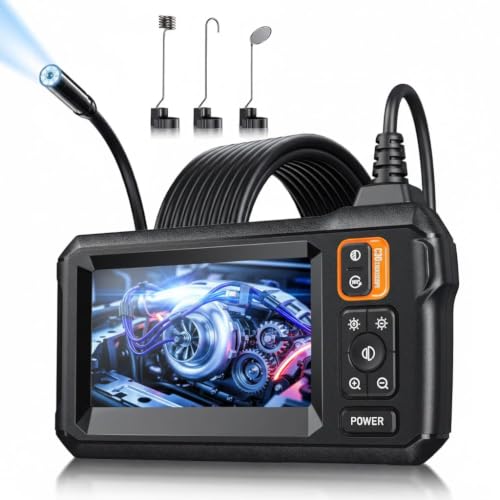
- High Quality Display: The endoscope camera with light adopts a...
- Powerful Features Camera : Borescope delicate camera probe is equipped...
- Freely Bend 20FT Cable: The 1.29in short lens for narrow pipe...
The Two-Minute Trick That Saves Your Borescope Tip
Here is the tip that gave me my biggest “aha” moment: time your passes. I set a two-minute limit on my phone and pull the probe out when it buzzes. That tiny pause lets the tip shed heat before it ever gets close to shutting down.
What surprised me is how much I still get done. Two minutes is plenty to sweep a cylinder wall or peek behind a valve. I just plan what I want to see before I slide the probe in, so I am not wasting the clock.
I also touch the tip with the back of my hand between passes. If it feels hot, it rests. That simple check has saved me more than any spec sheet ever did.
Try it on your next warm-engine job. Set the timer, keep the light low, and let the tip cool between looks. Your scope will thank you, and your diagnosis will be sharper because you slowed down just enough.
My Top Picks for Keeping a Borescope Tip Cool on Hot Engines
DEPSTECH Dual Lens 1920P Inspection Endoscope Camera — Two Lenses in One Small Tip
The DEPSTECH Dual Lens 1920P Inspection Endoscope Camera is the one I reach for when I want to see forward and sideways in a single pass. I love that the dual lens cuts my time inside a warm engine, so the tip spends less time soaking up heat. It is a great fit for home mechanics checking cylinders and valves.
The trade-off is that the dual lens needs a little practice to switch views smoothly.
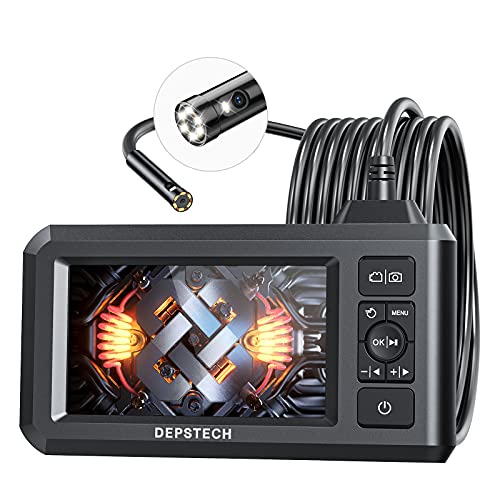
- 【See More with Dual Lens&Split Screen】: The DS300 inspection...
- 【Color Screen and Crisp 1080P】: Upgraded wide-angle 4.3-inch TFT...
- 【More Efficient with Advanced 2nd CMOS Chip】: The borescope adopts...
Teslong Waterproof Endoscope Borescope Inspection Camera — Simple, Tough, and Easy to Trust
The Teslong Waterproof Endoscope Borescope Inspection Camera is what I hand to friends who just want a reliable look without a learning curve. I love that the waterproof build shrugs off oil and coolant, so I am not babying it between jobs. It fits anyone doing quick inspections on a cooled-down engine.
The honest trade-off is that it is a single-lens scope, so you get one view per pass.

- Powerful 8 LED Lights for Clear Inspections: With 8 adjustable LED...
- Capture & Save Photos, Videos, and More: Take full control of your...
- Durable & Flexible 16.5ft Semi-Rigid Cable: Navigate tight...
Conclusion
The one thing that matters most is keeping your borescope tip out of the heat and giving it time to cool between passes.
So grab your scope right now and check its heat rating before your next warm-engine job — it takes two minutes and it might be the reason your tip lasts for years instead of weeks.
Frequently Asked Questions about Why Does the Borescope Camera Tip Overheat on Hot Engines?
How hot is too hot for a borescope camera tip?
Most borescope tips are rated to around 176°F to 212°F, and anything above that is risky. Engine surfaces on a warm block can easily pass those numbers. Check your scope’s listed limit before you slide it in.
If the spec sheet gives no temperature at all, treat the tip as fragile. I keep my passes short and touch the tip between looks. That habit keeps it well under any limit.
Can I use a borescope on a warm engine at all?
Yes, you can, as long as the engine has cooled enough that the block is warm rather than hot. Many techs inspect a slightly warm engine without trouble. The key is short passes and a low light setting.
I let the engine sit for at least ten minutes first. Then I keep the tip moving and pull it out often. That balance lets me work without cooking the sensor.
Why does the LED light make the tip hotter?
The LEDs sit right next to the sensor in a small sealed housing, so their heat has nowhere to go. Brighter settings make more heat. That is why a dim light runs cooler than a bright one.
In my experience, the lowest brightness is plenty for most cylinder work. I only bump it up when I truly need it. Then I turn it back down right away.
What is the best borescope camera for someone who inspects hot engines often?
The DEPSTECH Dual Lens 1920P Inspection Endoscope Camera is a strong pick because its dual lens lets you see two views in one pass, so the tip spends less time in the heat. Fewer passes mean less heat buildup. It suits anyone who inspects engines regularly.
For me, that time savings is the real win. Less time inside a warm block means a cooler tip and a longer life. It is the one I wish I had bought first for regular warm-engine work.
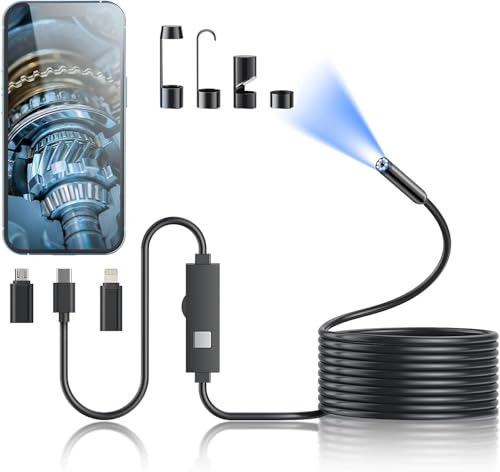
- 1920P HD Resolution: Sewer camera with 7.9mm probe can inspect...
- Easy Connection: This borescope inspection camera can easily and...
- Semi-Rigid Cable & Waterproof Probe: Snake Camera can bend freely and...
Which borescope won’t let me down when I need a quick look on a warm block?
The Teslong Waterproof Endoscope Borescope Inspection Camera is a solid choice because its waterproof build handles oil and coolant without fuss. That toughness matters when you are moving fast between jobs. It fits anyone who wants a simple, reliable scope.
I like that I am not babying it between inspections. It is a single-lens scope, so you get one view per pass. Still, it is what finally worked for me on quick warm-engine checks.
- 【See More with Dual Lens&Split Screen】: The DS300 inspection...
- 【Color Screen and Crisp 1080P】: Upgraded wide-angle 4.3-inch TFT...
- 【More Efficient with Advanced 2nd CMOS Chip】: The borescope adopts...
How do I know if my borescope tip is already damaged?
A damaged tip usually shows a blurry image, a flickering screen, or a dead LED. Those signs often appear right after an overheat. If the picture looks cloudy or dim, the lens or sensor may be hurt.
I test mine on a cool surface before every job. If the image is sharp and bright, I trust it. If not, I stop and check the tip before I risk another inspection.